I used to think staying fit required a personality transplant. The kind of person who wakes up before sunrise, drinks something green, owns several pairs of running shoes, and knows exactly what a burpee is supposed to feel like. I was not that person. My mornings were negotiated with the alarm, my evenings ended wherever the nearest chair happened to be, and the phrase “I should exercise more” had become a decorative sentence I carried from one week to the next.
Then I started to understand that fitness is not a performance of discipline. It is a way of staying in a relationship with your body. You do not have to become an athlete to feel stronger. You do not have to punish yourself for eating, resting, or missing a day. The goal is quieter than that: to make movement ordinary enough that your body can trust you to come back.
Start smaller than your excuses
The hardest part is usually not the exercise. It is the size of the promise. “I will work out every day for an hour” sounds impressive, but it also gives your tired future self a very good reason to quit. A ten-minute walk sounds almost too easy to count, which is exactly why it works. It leaves no dramatic version of you to maintain. It simply asks you to put on your shoes and begin.
Small does not mean meaningless. Ten minutes of walking is still ten minutes in which your heart works a little harder, your eyes look farther than a screen, and your thoughts have room to rearrange themselves. Five push-ups are not a failed workout because they were not fifty. They are five reminders that your strength is not a fixed personality trait. It is something you can visit.
The best exercise plan is the one that still feels possible on an ordinary Tuesday.
Consistency beats intensity
Intensity is attractive because it gives us a story. We can announce the hard run, the strict challenge, the week in which everything changed. Consistency is less photogenic. It looks like taking the stairs, stretching while the kettle boils, walking after dinner, and doing the easy version when the hard version is not available. Nobody applauds it, which is one of its advantages.
A routine survives because it has somewhere to go when motivation disappears. If your only plan is to exercise when you feel inspired, then your fitness belongs to the weather. Some days you will be tired, busy, anxious, or simply uninterested. That does not mean the plan failed. It means the plan has reached the part where it needs to be kind and practical.
Strength is not only about muscles
There is physical strength, of course. The kind that lets you carry groceries without arranging the bags by weight, stand up from the floor without making a plan, and climb stairs without needing to pretend you stopped for the view. But fitness also gives you a different kind of strength: the confidence that comes from keeping a small promise to yourself.
That confidence is built quietly. You walk when you said you would walk. You drink water before you are desperate for it. You go to bed instead of treating exhaustion like a personal failure. You eat in a way that leaves you energized rather than ashamed. None of these acts looks heroic. Together, they create a person who is easier to rely on, including for yourself.
Rest is part of staying fit
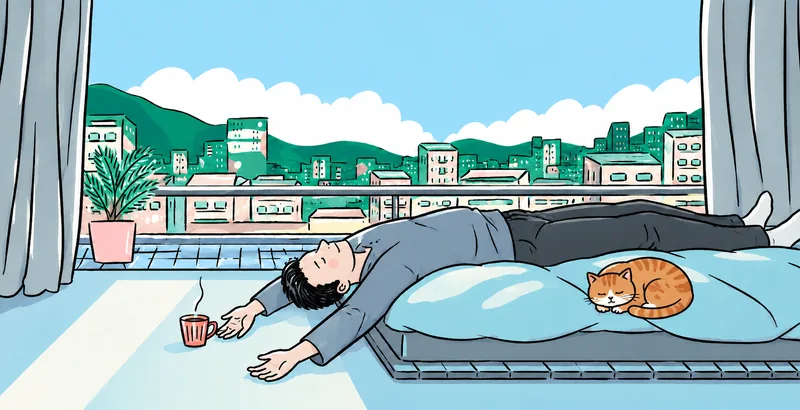
I had to unlearn the idea that rest is what happens after the real work. Rest is part of the work. Muscles recover when you stop asking them to prove themselves. Your nervous system needs quiet. Sleep is not a reward for being productive enough; it is one of the conditions that makes productivity, patience, and clear thinking possible.
There is a difference between rest and avoidance, but the difference is not guilt. Rest returns something to you. Avoidance usually takes more. After real rest, you may still have a difficult task waiting, but you have more of yourself available to meet it. That is not laziness. That is maintenance, and everything worth keeping needs maintenance.
Make it belong to your life
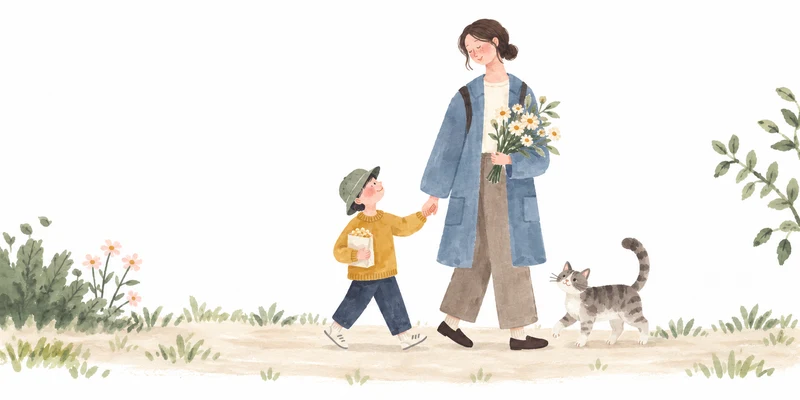
The most sustainable routine is not the one copied from someone online. It is the one that fits the life you actually have. Maybe you walk during phone calls. Maybe you lift weights twice a week. Maybe you play badminton with friends, cycle to the shop, swim on Sunday mornings, or stretch in the space between closing your laptop and making dinner. Movement becomes easier to keep when it is attached to something you already enjoy.
You are allowed to choose exercise that does not look impressive. You are allowed to stop doing the thing you hate. You are allowed to change your routine when your life changes. Fitness should support your life, not become another manager standing over it with a clipboard.
A body you listen to
Staying fit is often described as controlling your body, but I think it is closer to listening. Notice when you are stiff, breathless, thirsty, hungry, tense, or tired. Notice what makes you feel more awake and what leaves you feeling punished. Your body has been giving you information all day. You do not need to obey every impulse, but you do need to stop treating every signal as an inconvenience.
There will be days when you do less. There will be weeks when the routine breaks. The next step is not to punish yourself back into shape. It is to return without drama. Drink some water. Walk around the block. Stretch your back. Go to sleep earlier. Begin again at the size that makes beginning possible.
The gym is a tool, not a test
For a long time I treated the gym like a place where people went to demonstrate that they already belonged. Everyone seemed to know what to do: which machine to use, how many plates to add, when to rest, and how to look calm while carrying something heavy. I imagined a membership card came with a handbook. It does not. Most people are learning as they go, and the confident ones are usually just better at looking occupied.
The gym becomes less intimidating when you stop treating every session like an exam. You do not need the perfect program on your first day. You need a few movements you can perform safely, a weight you can control, and enough patience to let your body learn. Start with the basics: push, pull, squat, hinge, carry. Add a little weight only when the current weight feels familiar. Progress is not proving that you can suffer. It is giving your body a reason to adapt without giving it a reason to panic.
There is also no rule that says the gym has to be your place. Some people find focus under fluorescent lights. Others feel more alive on a court, in a pool, on a bicycle, or walking through a neighborhood they have not explored. The point is not to collect gym visits. The point is to build a life in which your body gets used in different, enjoyable ways.
Eat to support the day
Healthy eating becomes miserable when it is reduced to a list of forbidden foods. I do not want to spend my life afraid of rice, bread, noodles, or an occasional meal that comes in a paper box. Food is not a moral report card. It is energy, culture, comfort, and sometimes simply the easiest way to celebrate being with people. A healthy pattern has room for pleasure, because a plan that cannot survive a birthday dinner is not a plan I can live with.
The useful questions are more ordinary. Did I eat enough protein to stay full? Did I get something green or colorful on the plate? Did I drink water before mistaking thirst for hunger? Did the meal give me energy, or did it leave me needing another coffee? Most of the time, the answer is improved by adding something rather than banning something: fruit with breakfast, vegetables beside lunch, eggs or tofu after training, a bottle of water within reach.
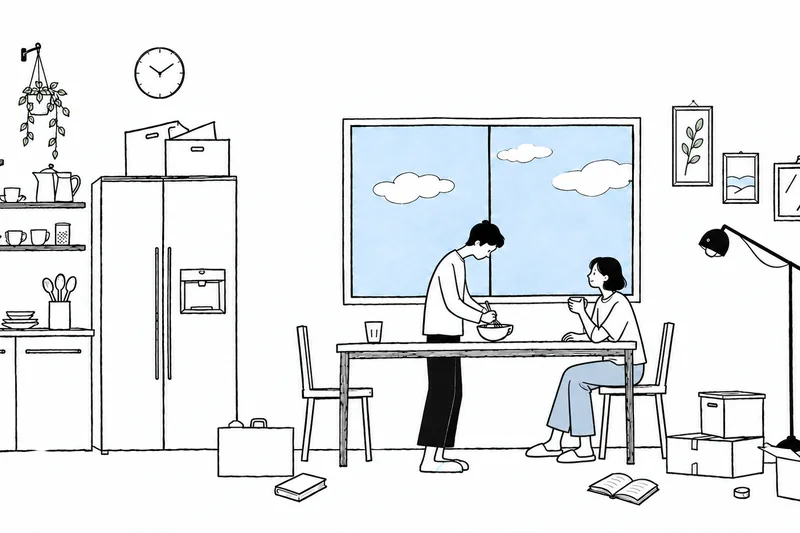
Meal preparation helps, but it does not need to become a Sunday production with labeled containers lined up like a laboratory. Cook extra rice. Wash fruit when you bring it home. Keep a few simple options available for the night when motivation disappears. The best food choice is often the one that requires the fewest decisions when you are already tired.
Cardio is not punishment
Cardio used to mean punishment in my head: run until the bad mood leaves, cycle until the meal has been earned, sweat until the scale says something kind. That relationship never lasted, because punishment is a terrible reason to return. Movement feels different when the goal is capacity. You are training your heart and lungs so stairs are less dramatic, long walks become invitations, and a day outside does not empty your entire battery.
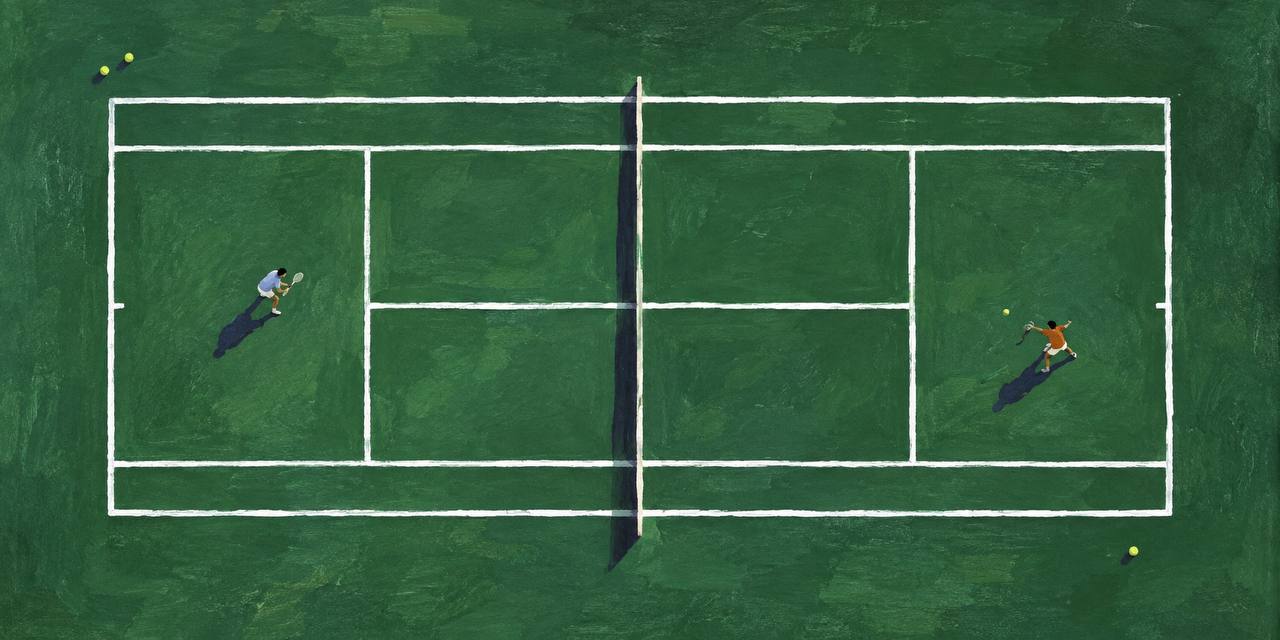
A brisk walk counts. Dancing in your room counts. Playing tennis until you lose track of the score counts. So does cycling to meet a friend instead of taking a car for a short trip. Some sessions should leave you pleasantly tired. Others should leave you feeling better than when you started. Both are useful, and neither needs to be converted into a punishment for what you ate yesterday.
Build a week you can repeat
A realistic week might contain two strength sessions, two or three walks, one sport you actually enjoy, and a few minutes of mobility when your body asks for it. It might also contain an unexpected deadline, rain, a bad night of sleep, and a day where the best decision is to go home. A routine that includes those realities is more valuable than a perfect schedule that collapses at the first interruption.
I like to think in minimums and extras. The minimum is the smallest version that keeps the habit alive: ten minutes of walking, one set, a few stretches. The extra is what I do when I have more energy. This prevents the familiar all-or-nothing argument. I do not have to choose between a complete workout and doing nothing. There is a whole range of useful things in between.
Tracking can help if it stays in its place. A simple note of what you did, how you slept, and how you felt can reveal patterns that motivation hides. But numbers should be information, not a judge. The scale, the watch, and the calorie counter are tools. They cannot tell you whether you are becoming more patient with yourself, sleeping better, or enjoying your body more. Those changes count even when a screen cannot measure them.
The social side of health
It is easier to care for yourself when health is not a private competition. Invite someone for a walk. Join a casual game. Take a beginner class where everyone is still figuring out the rhythm. A friend who expects you at the court can do more for consistency than a motivational quote saved on your phone. Community turns exercise from another task you must manage into somewhere you are expected and missed.
The people around you also shape what feels normal. If every meal is rushed, every evening is spent sitting, and sleep is treated as optional, taking care of yourself can feel like an act of rebellion. You do not need to abandon anyone. Start by making healthier choices visible and ordinary. Walk while talking. Keep water on the table. Suggest an activity that lets everyone participate. A lifestyle changes faster when it becomes shared rather than announced.
Return without starting over
The most important skill is not never missing a day. It is knowing how to come back without turning one missed day into a missing month. Travel happens. Work gets heavy. Your mood changes. Sometimes your body needs more rest than your plan expected. None of that erases the work you have already done. A pause is part of a long life, not evidence that the whole effort was fake.
When I return, I do not try to make up for the time away. I do the next reasonable thing. I take a walk, choose a simple meal, sleep at a decent hour, and let the routine rebuild its own momentum. The body remembers more than we think. So does the mind. Returning gently is not lowering the standard. It is how you make the standard possible for years instead of impressive for two weeks.
I no longer want fitness to be a project with a finish line. I want it to be part of how I move through the day: a little more awake, a little less afraid of effort, and more grateful for the body that carries me through ordinary things. Staying fit is not becoming someone else. It is staying present enough to take care of yourself, one ordinary Tuesday at a time.
Thanks for reading.
Save this story for later, or pass it to someone who might need the perspective.
Did this make you think?

Gets lost on purpose and reports back. Abraham writes about ordinary days, good sandwiches, and whatever he found on the way.